
Home insurance and household safety
Home insurance securing your property

Essential dwelling coverage foundations
Comprehensive homeowners policy foundations
Your home represents a primary financial asset and personal sanctuary. Beyond brick and mortar, a homeowners policy acts as a safety net, absorbing risk events. From storm impact to civil liability, comprehensive coverage ensures that a major peril does not translate into long-term economic instability for the insured household members.

Loss of use and expenses

Family liability protection coverage

Dwelling structure and personal property

Replacement cost value protection
Adapting policies for owners and tenants

Renters insurance solutions
Scope of dwelling protection
Distinguishing building coverage from contents remains crucial for adequate protection. The dwelling policy repairs physical structure, including permanent fixtures, while property insurance handles items like electronics. Bundled plans bridge these categories, offering seamless restoration of lifestyle and reconstruction of the edifice after a major peril occurs.
Scheduled valuables riders
Analyzing domestic property risks

Mitigating flood and leak incidents
Frozen pipes require immediate plumbing intervention
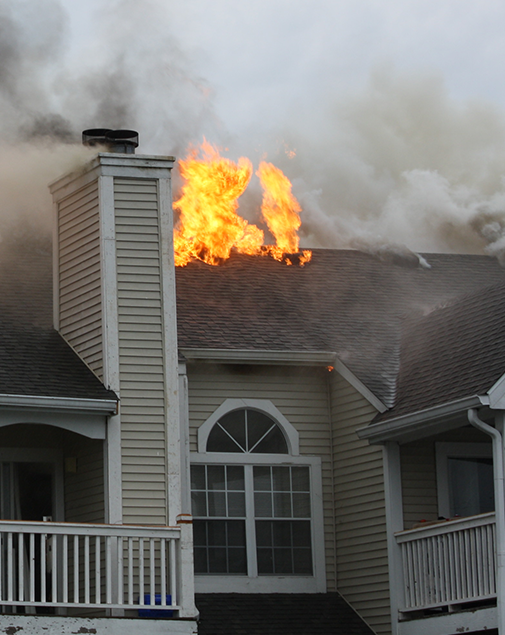
Electrical fire hazards prevention
Functional detectors significantly reduce injury risks

Burglary and intrusion security
Reinforced locks deter vandalism and access

Personal liability for policyholders
Legal costs cover neighbor injuries
Legal obligations and compliance
Mortgage lenders typically mandate hazard coverage to protect financial interest until the loan is repaid. Similarly, landlords often require renters to hold liability policies to mitigate disputes regarding accidental damage to the leased apartment.
Mandatory contract clauses
Navigating the insurance claims process
Filing a loss report begins when an incident is discovered, requiring swift proof through photographs and retention of ruined items for inspection.
An expert visits the premises to evaluate the loss extent and estimate restoration costs. Their report forms the indemnity offer, making detailed inventory lists and maintenance records vital for a fair valuation.
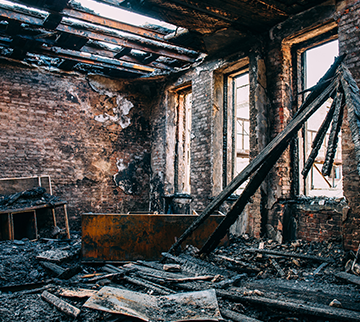
Documenting the property loss
Clear digital evidence and itemized lists streamline the approval of your compensation request.

Working with claims adjusters
Certified inspectors assess building integrity and estimate replacement costs for destroyed household assets.
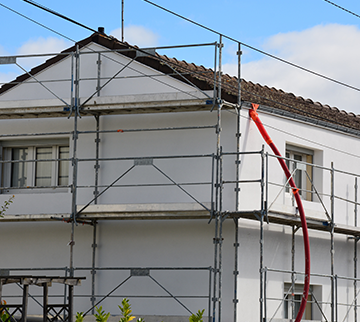
Reimbursement and restoration phases
Compensation funds are released to repairers or insureds to begin the necessary property reconstruction.